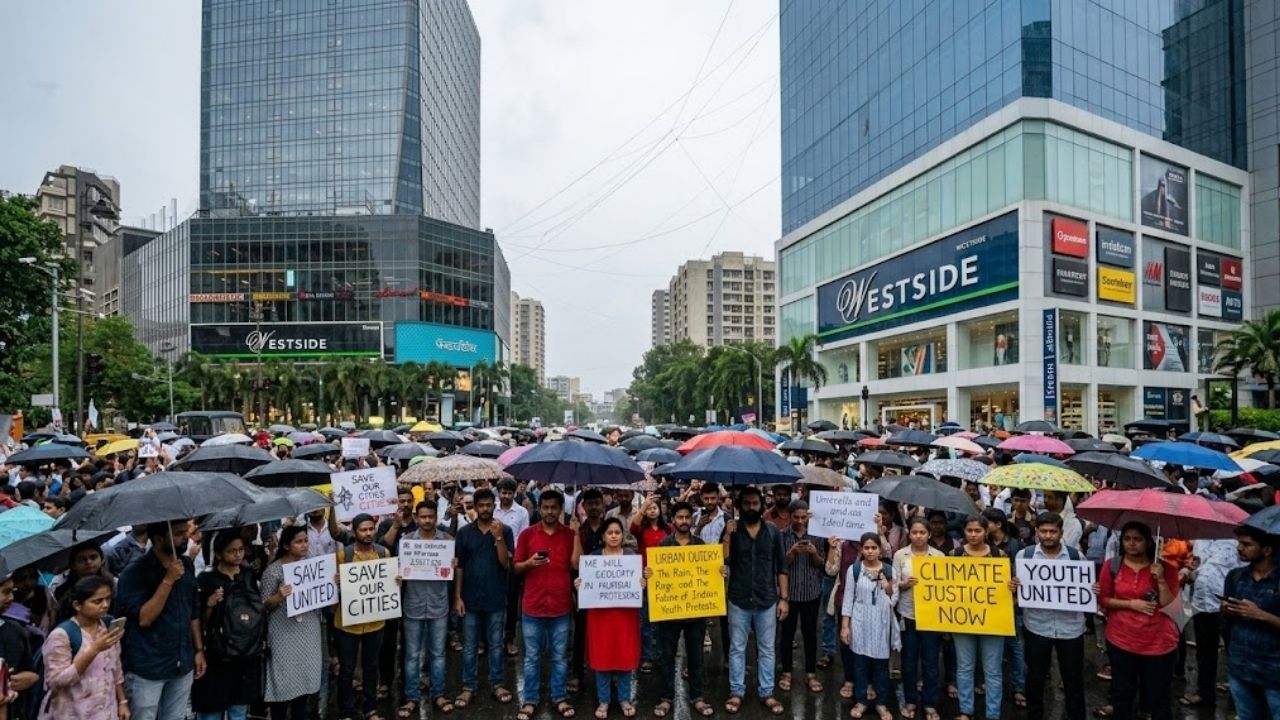
Every summer, millions of Indian students sit for competitive exams that decide medical seats, engineering colleges and, often, the economic future of entire families. When those exams are compromised by alleged paper leaks, the damage is not abstract — it is personal, irreversible and generational. That is why the Jantar Mantar protest has drawn such intensity.
Students say they are not asking for charity. They are asking for a level playing field. If question papers circulate in private networks before the exam, merit becomes theatre and hard work becomes a joke.
How NEET anger reached Jantar Mantar
Reports of irregularities, cancelled papers and uneven investigations created a trust deficit that coaching centres and social media amplified. For students from small towns who travel to Delhi, Kota or Hyderabad on borrowed money, a leaked exam is not a “technical glitch.” It is the collapse of the only ladder they believed in.
Campus discussions quickly organised into marches, petitions and then a sustained sit-in at Jantar Mantar — India's most visible protest corridor. The site's proximity to Parliament turned student pain into a political event the government could not ignore.
What protesters say is broken
- Paper-leak ecosystems: alleged networks of middlemen, coaching interests and compromised officials.
- Slow accountability: arrests without structural reform feel like PR, not justice.
- Unequal access: wealthy aspirants can reattempt; poorer students often cannot.
- Exam body opacity: limited transparency on how papers are set, printed and transported.
Core demands of the student movement
- Resignation of the Union Education Minister as political accountability for systemic failure.
- Time-bound, independent investigation into leak networks with public reporting.
- Stronger laws, fast-track courts and exemplary punishment for exam fraud.
- Assurances that peaceful protesters will not face vindictive criminal cases.
- Structural reform of exam conducting bodies to restore credibility.
Why resignation became non-negotiable
Governments often prefer technical fixes — new software, new agencies, new bills. Students argue that without a political cost at the top, the same culture of negligence returns. For CJP and allied voices at Jantar Mantar, the Education Minister's resignation is the clearest signal that the state treats exam integrity as a national priority, not a seasonal controversy.
The human cost behind slogans
Behind every placard is a story: a farmer's child who studied under a streetlight; a girl who skipped festivals for mock tests; a family that remortgaged land for coaching fees. When leaks surface, those stories end in despair, depression and, in some tragic cases, self-harm. The protest is therefore as much about mental health and dignity as about administrative reform.
What a fair settlement could look like
A durable solution would combine criminal investigation, institutional redesign, victim support for affected candidates, and political accountability. Announcements alone will not empty Jantar Mantar. Trust will return only when students see consequences for the powerful and protection for the honest.
Until then, the sit-in remains a reminder that India's youth will not quietly accept a system where paper leaks decide who becomes a doctor.