 Jantar Mantar History: How an 18th-Century Observatory Became India's Protest Capital
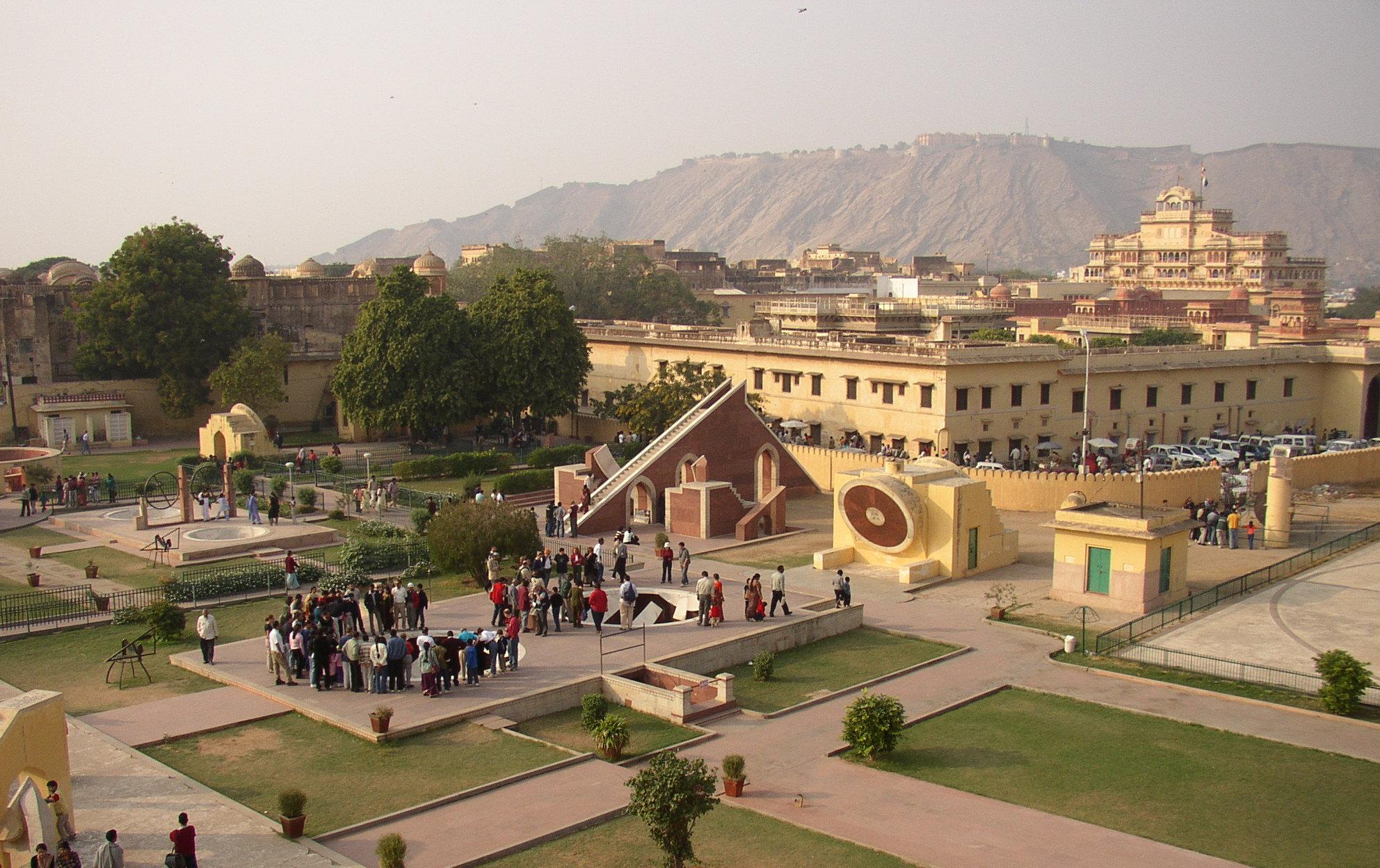
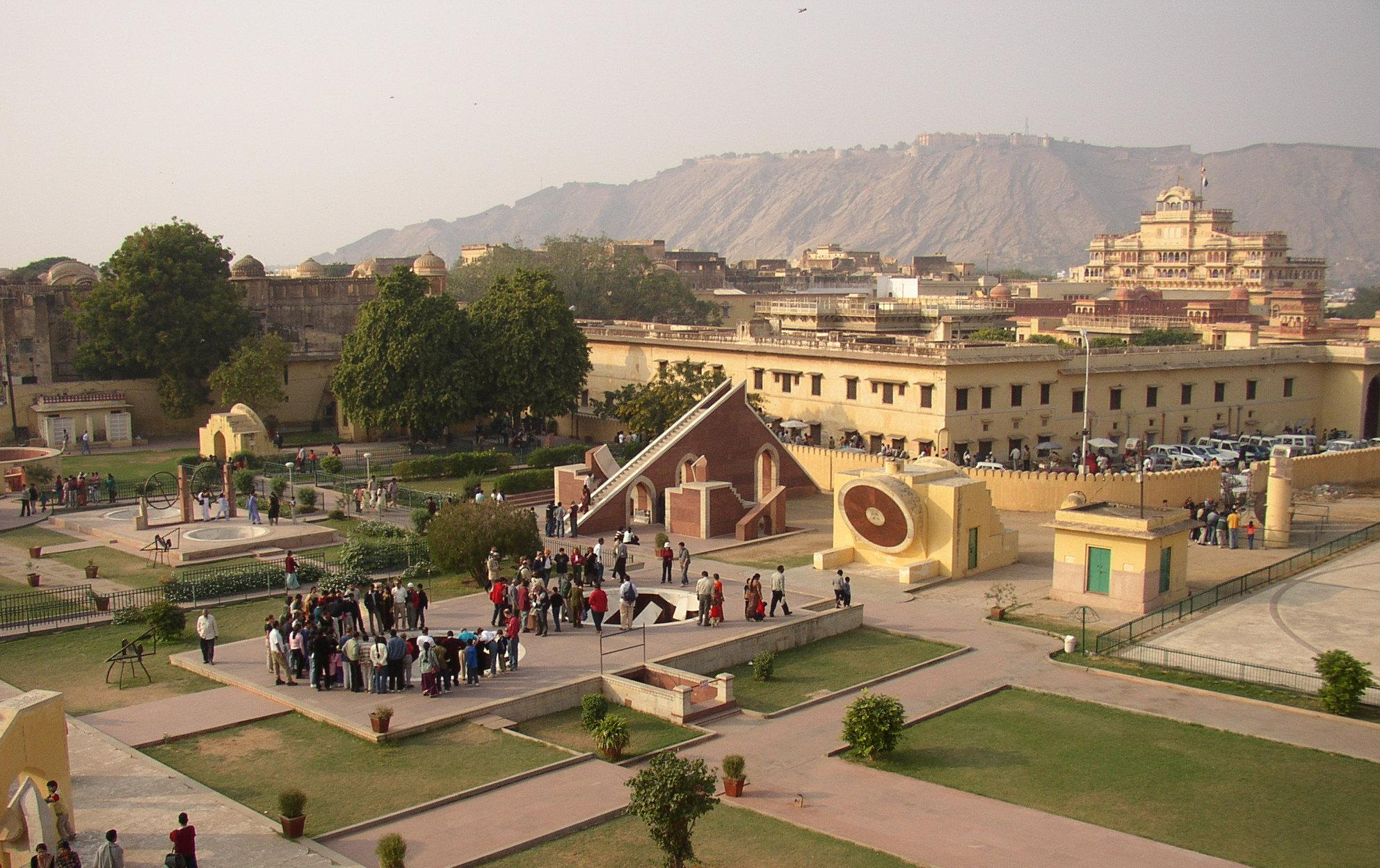
Walk past the red-and-yellow sandstone structures on Sansad Marg in central Delhi on any given week, and you'll likely find a crowd—placards, slogans, maybe a hunger strike tent. What most passersby don't realise is that they're standing next to a nearly 300-year-old astronomical instrument. Jantar Mantar's journey from stargazing tool to India's most recognisable protest ground is one of the more unusual stories in the capital's history.
Built to Read the Sky, Not the Crowd
Jantar Mantar was constructed in 1724 by Maharaja Jai Singh II of Jaipur, a Rajput king with a serious passion for astronomy. Dissatisfied with the accuracy of existing astronomical tables, he built five observatories across India — in Delhi, Jaipur, Ujjain, Varanasi, and Mathura — each fitted with massive masonry instruments designed to track celestial movement, predict eclipses, and measure time with remarkable precision for the era, all without telescopes.
The Delhi observatory, the first of the five, sits a short walk from Connaught Place and—more significantly for its future—barely a kilometer from what is now Parliament House.
From Boat Club to Jantar Mantar: A 1990s Turning Point
For decades after independence, the lawns near India Gate — popularly known as Boat Club — served as Delhi's default protest ground. That changed in the early 1990s, when repeated large-scale gatherings made crowd control at the open India Gate lawns increasingly difficult. Authorities shifted sanctioned protest activity to the Parliament Street stretch around Jantar Mantar instead — a single, narrower road that was far easier to barricade, monitor, and manage.
It was a practical decision, but it changed the character of Indian protest. Jantar Mantar offered something Boat Club never quite had: proximity to power. A demonstration here is, quite literally, a stone's throw from the people who write the laws.
Three Decades of Movements
Since becoming Delhi's designated protest site, Jantar Mantar has hosted some of the country's most consequential demonstrations:
- 2011 – Anna Hazare's India Against Corruption movement, which put the Lokpal Bill at the centre of national politics
- 2012 – Protests following the Nirbhaya case, which led to major changes in India's sexual assault laws
- 2019–2021 – Multiple rounds of farmer agitations
- 2023 – The wrestlers' protest led by Olympic and Commonwealth medallists against the then-chief of the Wrestling Federation of India
Each of these turned Jantar Mantar from a monument into a live news dateline.
The Rules Haven't Changed Much
Despite hosting decades of dissent, Jantar Mantar operates under fairly strict conditions. Groups need police permission (an NOC) to gather, there are restrictions on timing and noise, and legal challenges over issues like overnight stays and tent structures have periodically reached the courts. (We've broken down exactly what the law allows in our guide to civil rights and protest law in India.)
Why It Still Matters
Every time a new demonstration sets up at Jantar Mantar, it's tapping into three centuries of the same basic idea: this small stretch of Delhi is where ordinary people go to be seen and heard by the people who govern them. The instruments may no longer track the stars for anyone, but the location still tracks something else entirely — the pulse of Indian public opinion.
Read next: Delhi Protest News Today—Live Updates | Civil Rights & the Right to Protest in India. Explained